Why Is My Espresso Bitter or Sour? The Fix for Both (2026)

As an Amazon Associate I earn from qualifying purchases. Prices and availability are accurate as of the date/time indicated and are subject to change.
🔍 How this guide was put together (Editorial Standards)
This guide compares options using published manufacturer specifications, patterns in publicly visible owner reviews, and reputable expert sources. We do not operate a physical testing lab; see our how-we-research page for details.
EDITOR'S PICKS
Top Picks

The two most common home-espresso complaints — bitter and sour — are actually opposite problems, and people waste weeks because they treat them the same. Bitter usually means you over-extracted; sour usually means you under-extracted. Once you can taste which one you have, the fix is fast and mechanical. Here’s how to diagnose and dial out both.
First, taste which problem you have
- Sour / sharp / thin = under-extraction. The water pulled out too little; the shot tastes acidic and empty. Common causes: grind too coarse, dose too low, water too cool, or shot ran too fast.
- Bitter / harsh / ashy = over-extraction. The water pulled out too much; it tastes burnt and dry. Common causes: grind too fine, dose too high, water too hot, or shot ran too slow.
If it’s both sour AND bitter (harsh but empty), your grind is uneven — usually a grinder problem.
The fix: change ONE variable at a time
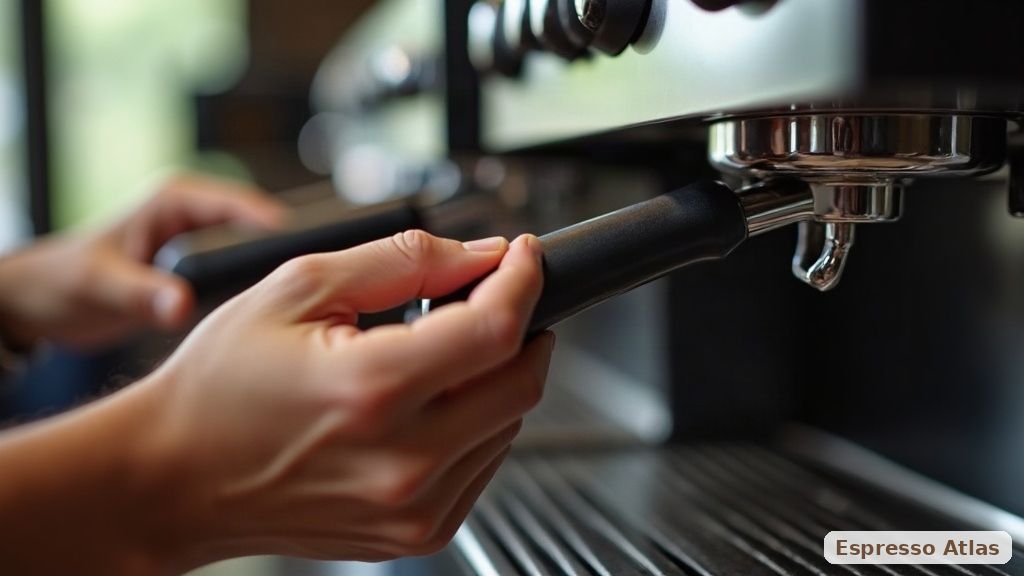
Grind size is the biggest lever — adjust it first, then dose, then temperature:
- Sour? Grind finer (slows the shot, extracts more), or raise dose/temperature slightly.
- Bitter? Grind coarser (speeds the shot, extracts less), or lower dose/temperature slightly.
- Change one thing, pull a shot, taste, repeat. Changing three variables at once tells you nothing.
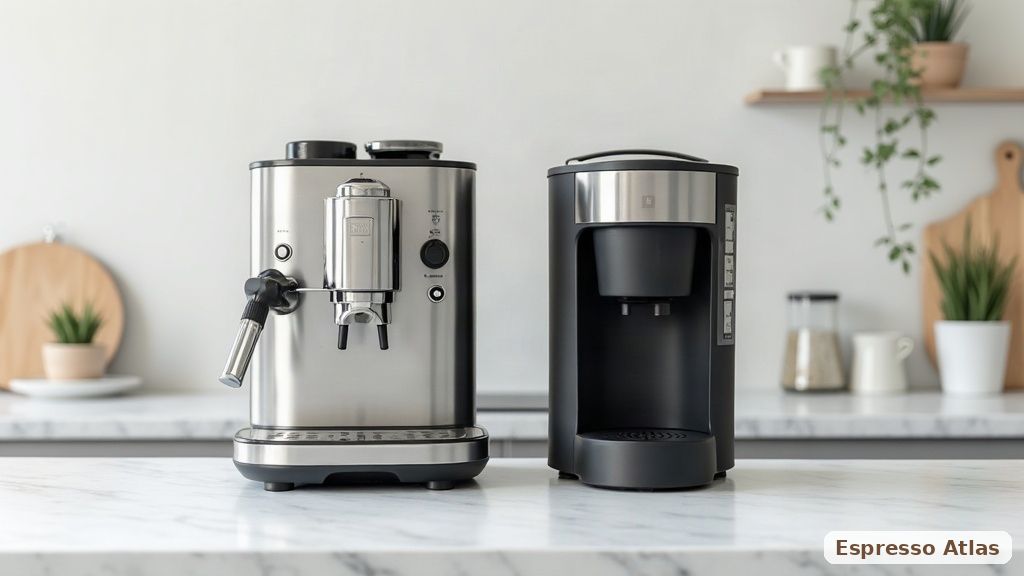
A machine with a built-in grinder (like the Breville Barista Express) makes this loop fast because grind adjustment is right there — a big reason we recommend grinder machines for people learning to dial in (see espresso machine with grinder).
Why is my espresso sour?
Under-extraction — the shot pulled too little flavor. Grind finer first (this slows the flow and extracts more), and check your dose isn’t too low and water isn’t too cool. Sour shots often also run too fast; aim for a slower, steadier flow. Fresh beans help too — stale beans skew sour/flat.
Why is my espresso bitter?
Over-extraction — too much was pulled out. Grind coarser first (speeds the shot, extracts less), and check the water isn’t too hot and the dose isn’t too high. Bitter shots often run too slow. Also clean your machine — old coffee oils turn shots bitter (see [espresso care basics] in our beginner guide).
What grind size is right for espresso?
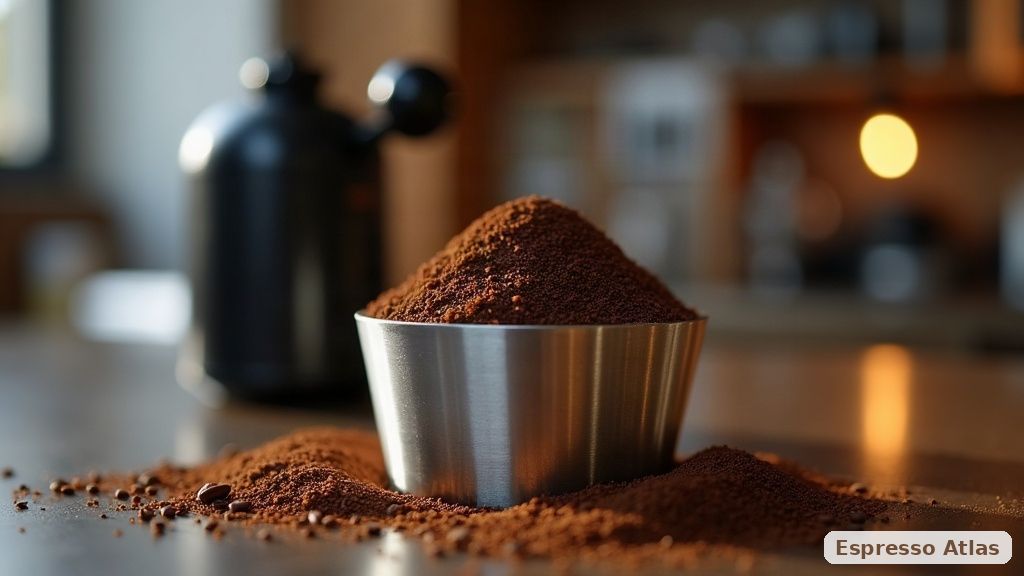
Fine — around table-salt-to-powdered-sugar texture — but the exact point depends on your beans and machine, which is why you dial it in by taste. Too coarse = sour/fast; too fine = bitter/slow. A consistent burr grinder matters more than a “perfect” number; uneven grind causes both faults at once. More in our with-grinder guide.
Could it be the machine or the beans, not me?
Both are possible. Stale beans (older than ~3–4 weeks off roast) skew flat/sour no matter what. A weak or inconsistent grinder makes dialing in impossible. And a machine that can’t hold temperature causes swings. But 90% of the time it’s grind/dose/temperature technique — fix those first before blaming the gear.
📚 Related In-Depth Analysis
- Compare findings with our guide on How To Froth Milk Without Espresso Machine.
- Compare findings with our guide on Manual Lever Espresso Machine.
📚 Related In-Depth Analysis
- Compare findings with our guide on Best Espresso Machine For Lattes.
- Compare findings with our guide on Espresso Grind Size Guide.
🔧 Interactive Planning Tool
Need exact measurements for your setup? Use our Portafilter & Tamper Tolerance Engine to Check exact millimeter tolerance between your basket and tamper diameter.
Dial it in
Taste to diagnose: sour = under-extracted → grind finer; bitter = over-extracted → grind coarser. Change one variable at a time, use fresh beans and a clean machine, and you’ll dial in a balanced shot fast. If both faults appear at once, it’s likely an uneven grinder. New to all this? Start with our beginner espresso guide.