Bar Pressure in Espresso Machines: Why 9 Bars Beats 15 (2026)
As an Amazon Associate I earn from qualifying purchases. Prices and availability are accurate as of the date/time indicated and are subject to change.
🔍 How this guide was put together (Editorial Standards)
This guide compares options using published manufacturer specifications, patterns in publicly visible owner reviews, and reputable expert sources. We do not operate a physical testing lab; see our how-we-research page for details.
EDITOR'S PICKS
Top Picks


Walk down any espresso aisle and you’ll see machines shouting “15 bar!”, “20 bar!”, even “20 bar Italian pump!” as if a bigger number means better coffee. It doesn’t. Bar pressure is one of the most misunderstood specs in home espresso, and once you understand it you’ll stop shopping by that number entirely.
What “bar” actually measures
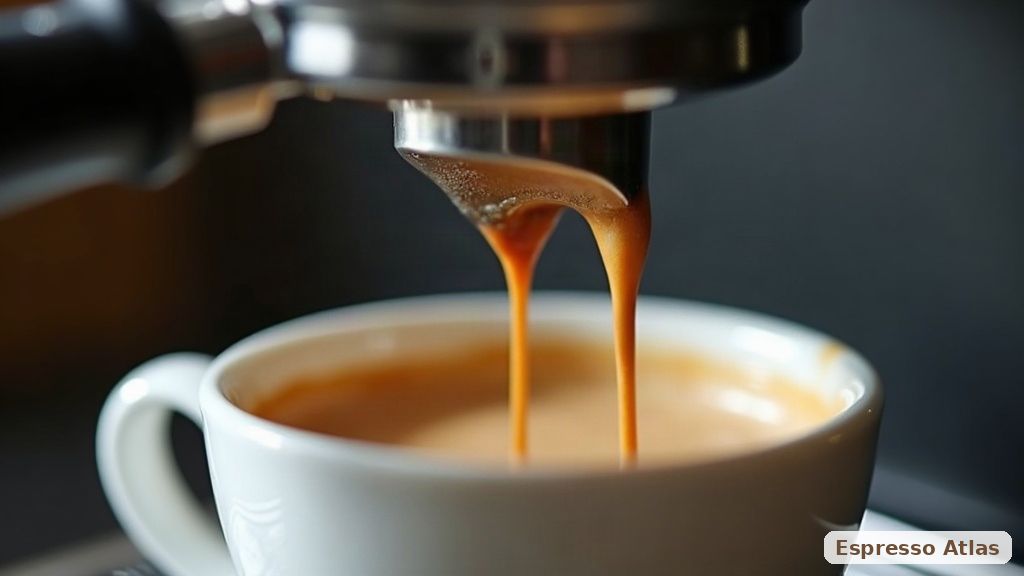
A bar is a unit of pressure — roughly the atmospheric pressure at sea level. In espresso, the relevant pressure is the force pushing hot water through the puck of ground coffee. That resistance-plus-flow is what extracts the concentrated shot with its crema.
The espresso standard, established by decades of Italian café practice, is 9 bars of brew pressure at the puck. That’s the number that produces balanced extraction: enough force to pull a rich shot, not so much that you over-extract and turn it harsh.
So why do boxes say 15 or 20 bars?
Because that’s the pump’s maximum rating, not the pressure at your coffee. Most home machines use a vibratory pump rated at 15–20 bars, but a properly built machine includes an over-pressure valve (OPV) that bleeds off the excess and delivers ~9 bars to the puck. The “20 bar” claim describes the pump’s ceiling; the coffee never sees it. A machine that actually pushed 20 bars through the puck would channel and over-extract — worse espresso, not better.
| The number you see | What it really is | Does it help your shot? |
|---|---|---|
| "15 bar" / "20 bar pump" | Pump's maximum rating | No — marketing spec |
| 9 bars brew pressure | Pressure at the coffee puck | Yes — this is the target |
| ~1–2 bars | Pre-infusion (gentle wetting) | Yes — improves even extraction |
Why does 9 bars beat 15 at the puck?
Extraction is a balance. Too little pressure and water runs through fast and weak (sour, under-extracted). Too much and water forces channels through the puck, over-extracting some grounds while bypassing others (bitter and uneven). Nine bars sits in the sweet spot for a standard fine grind and a well-tamped puck. If you’re chasing why your shots taste off, the fix is almost never “more pressure” — it’s grind, dose, and tamp; see our guide on why espresso tastes bitter or sour.
What actually matters more than bar rating
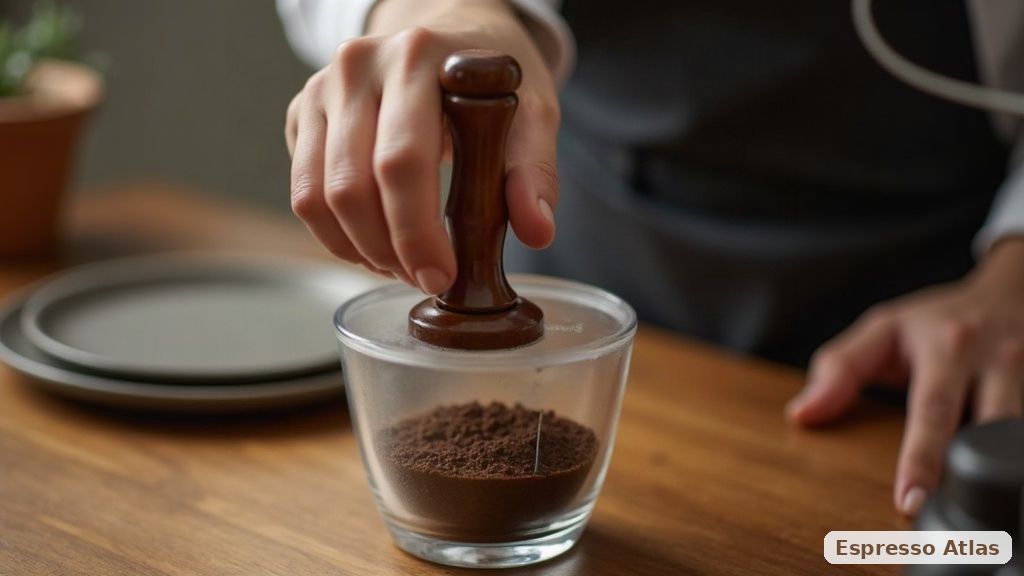
Since nearly every pump machine can reach 9 bars, bar count shouldn’t drive your purchase. These do:
- Temperature stability. Consistent brew-water temperature affects taste far more than peak pressure. This separates entry machines from good ones.
- Pre-infusion. A gentle low-pressure wetting phase before full pressure evens out the puck and reduces channeling.
- A real portafilter and basket (not a pressurized dual-wall crutch) if you want to grow your skills — relevant to the semi- vs super-automatic decision.
- Grinder quality, which does more for extraction than any pressure spec — one reason built-in grinder machines can simplify the setup.
What about lever machines?
Manual lever espresso machines generate pressure with a spring or your arm rather than a pump, and skilled users deliberately profile pressure — starting high, easing down through the shot. That’s an advanced technique, and it proves the point: control over the pressure curve matters, the headline “bar” number does not.
📚 Related In-Depth Analysis
- Compare findings with our guide on Why Is My Espresso Bitter Or Sour.
- Compare findings with our guide on Best Espresso Machine With Grinder.
📚 Related In-Depth Analysis
- Compare findings with our guide on Entry Level Espresso Machine With Grinder.
- Compare findings with our guide on Best Espresso Machine For Lattes.
🔧 Interactive Planning Tool
Need exact measurements for your setup? Use our Portafilter & Tamper Tolerance Engine to Check exact millimeter tolerance between your basket and tamper diameter.
The bottom line
Ignore the “15 bar” / “20 bar” badge — it describes the pump, not your coffee, and every half-decent machine already delivers the ~9 bars that espresso actually wants. Shop for temperature stability, pre-infusion, a proper basket, and a good grinder instead. If you’re just starting out, our beginner machine guide points you at the specs that genuinely change what’s in the cup.