Espresso Machine vs Coffee Maker: Which Belongs on Your Counter (2026)
As an Amazon Associate I earn from qualifying purchases. Prices and availability are accurate as of the date/time indicated and are subject to change.
🔍 How this guide was put together (Editorial Standards)
This guide compares options using published manufacturer specifications, patterns in publicly visible owner reviews, and reputable expert sources. We do not operate a physical testing lab; see our how-we-research page for details.
EDITOR'S PICKS
Top Picks

RUNNER-UP

📑 Table of contents
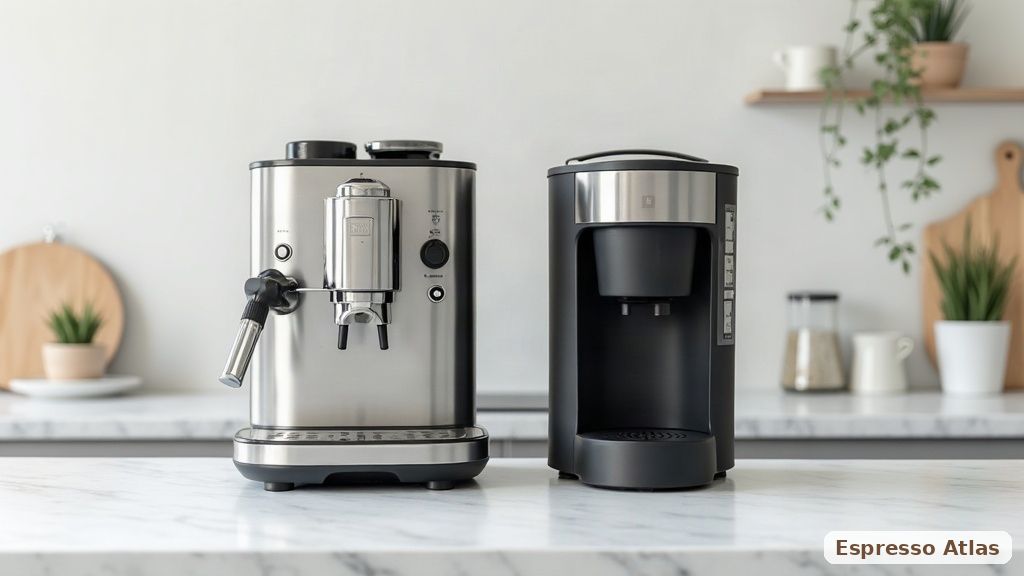
An espresso machine and a coffee maker both start with ground coffee and hot water, and that’s where the similarity ends. One forces water through a tightly packed puck at nine atmospheres of pressure in 25 seconds; the other lets water drip through a loose bed by gravity over four minutes. That single difference — pressure — is why they make completely different drinks, cost very different amounts, and demand very different levels of effort.
The core difference: pressure and contact time
Drip coffee makers brew at zero added pressure. Water at ~200°F drips through a coarse grind, producing a light-bodied cup at roughly 1.2–1.5% dissolved solids. Easy, hands-off, and it makes a full pot.
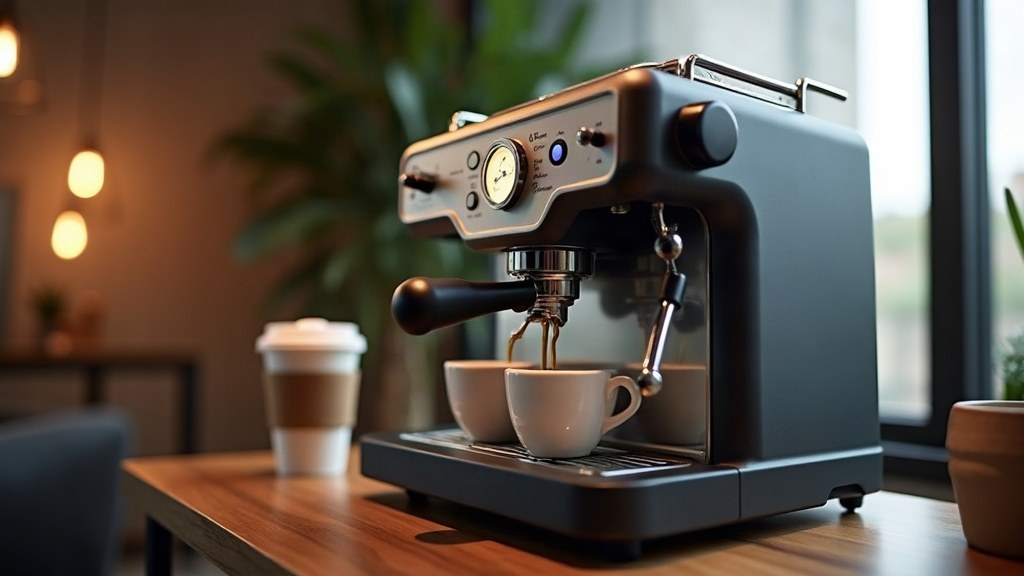
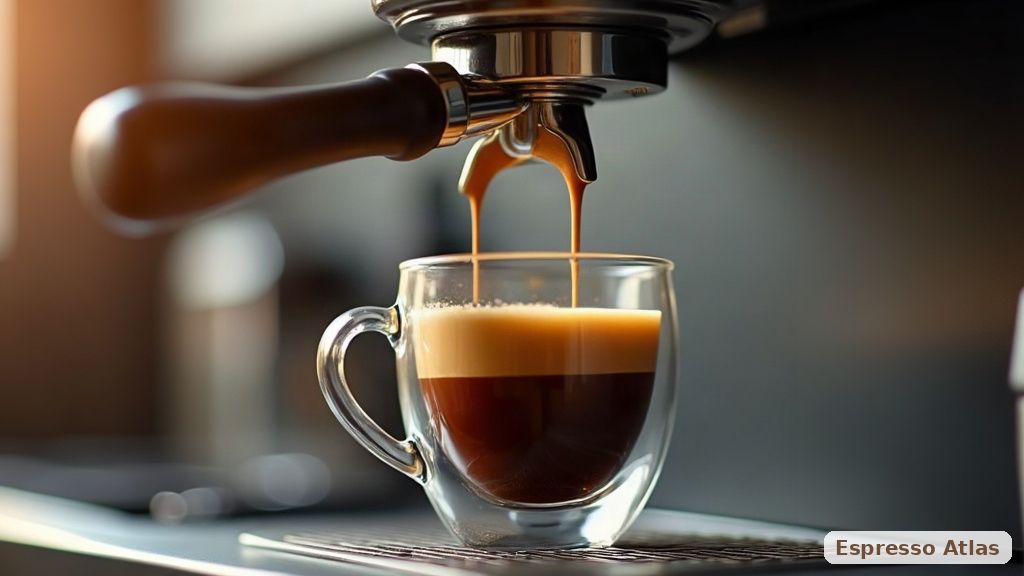
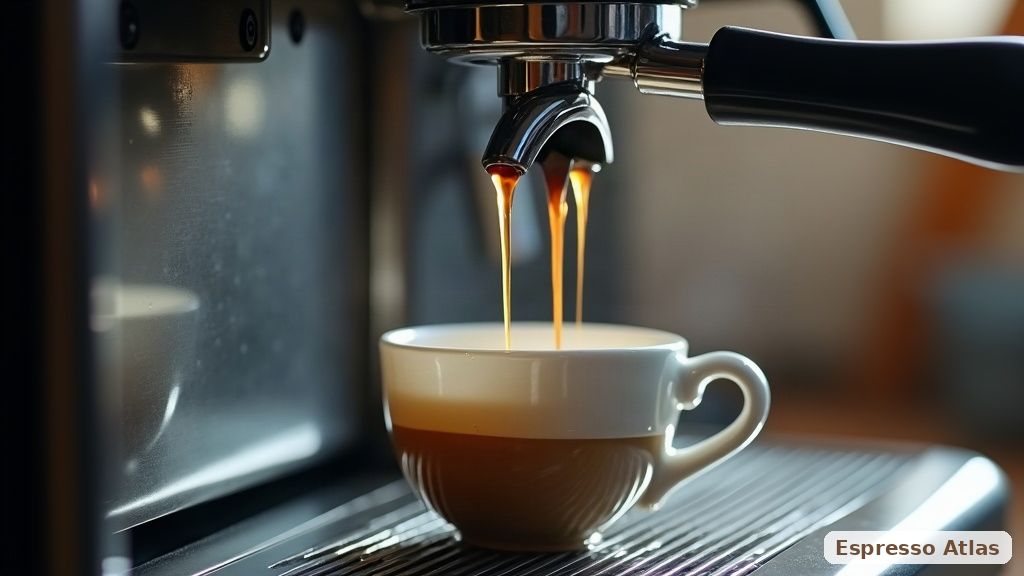
Espresso machines brew at ~9 bar (about 130 psi) through a fine grind in 25–30 seconds, producing a concentrated 1–1.5 oz shot at 8–12% dissolved solids — roughly 8x more concentrated — topped with crema. That concentration is what lets you build lattes, cappuccinos, and americanos. See espresso bar pressure explained for why 9 bar is the magic number.
Cost and effort, honestly
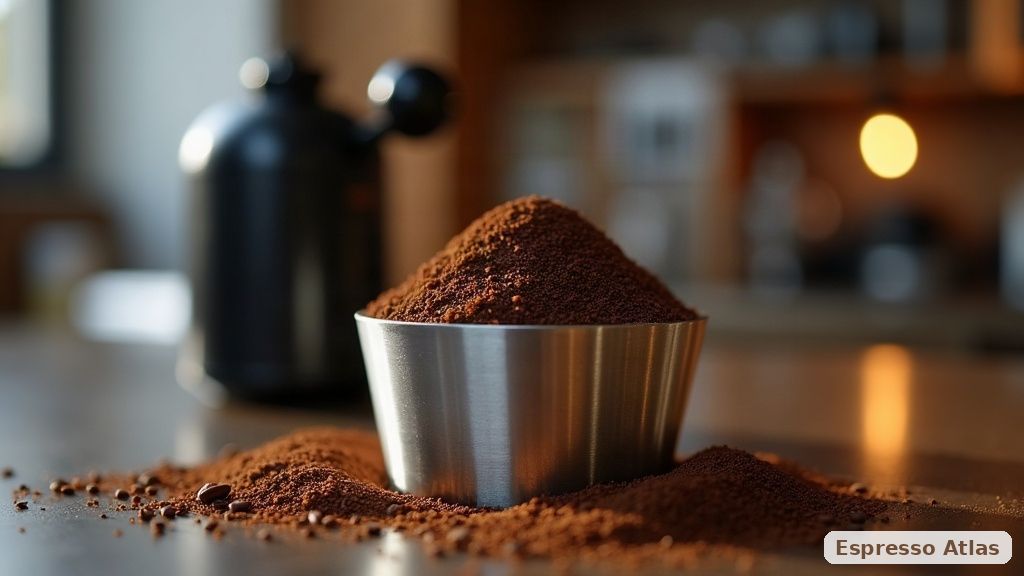
A decent drip maker runs $30–80 and asks almost nothing of you: fill, press, walk away. A capable entry espresso machine starts around $120–200, needs a burr grinder, and has a learning curve — dialing in grind size, tamping, and timing the shot. Budget the grinder: espresso lives or dies on grind consistency, covered in our grind size guide.
Which one should you actually buy?
- Buy a coffee maker if you drink black coffee by the mug, want zero fuss, or serve several people at once. Nothing beats it for volume and simplicity.
- Buy an espresso machine if you crave milk drinks (lattes, flat whites), enjoy the craft, and drink one or two concentrated cups rather than a pot.
Can one machine do both?
Sort of. An espresso machine plus hot water makes an americano that scratches the black-coffee itch, so an espresso setup is the more versatile single purchase — at higher cost and effort. A drip maker cannot make espresso, because it can’t generate pressure. If counter space is tight, an all-in-one machine with a built-in grinder collapses two appliances into one.
Is espresso worth the learning curve for a beginner?
For most people easing in, yes — if you start with a forgiving machine. Our best espresso machine for beginners guide covers the models that make good shots while you learn, and the compact picks if space is the constraint.
📚 Related In-Depth Analysis
- Compare findings with our guide on Best Espresso Machine For Lattes.
- Compare findings with our guide on Best Espresso Machine For Beginners.
📚 Related In-Depth Analysis
- Compare findings with our guide on Best Compact Espresso Machine.
- Compare findings with our guide on Super Automatic Vs Semi Automatic Espresso.
🔧 Interactive Planning Tool
Need exact measurements for your setup? Use our Portafilter & Tamper Tolerance Engine to Check exact millimeter tolerance between your basket and tamper diameter.
Bottom line
It comes down to what you drink. Want a mug of black coffee with no effort? A coffee maker wins on price and simplicity. Want lattes and the espresso ritual? A pump espresso machine is the counter it belongs on — just budget for a grinder and a few weeks of dialing in.