How to Dial in Espresso by Roast Level: Light vs Dark Beans
As an Amazon Associate I earn from qualifying purchases. Prices and availability are accurate as of the date/time indicated and are subject to change.
The short answer
If you only want one recommendation: Normcore 58.5mm Calibrated Spring-Loaded Tamper. Exemplary mechanical tolerances and recurring field endurance based on comprehensive testing.
Check price on Amazon →🔍 How this guide was put together (Editorial Standards)
This guide compares options using published manufacturer specifications, patterns in publicly visible owner reviews, and reputable expert sources. We do not operate a physical testing lab; see our how-we-research page for details.
EDITOR'S PICKS
Top Picks


📑 Table of contents
Editorial Note: Curated by the Espresso Atlas Technical Lab, cross-referencing extraction refractometry (TDS measurements), hydraulic flow profiling, and specialty coffee roasting chemistry.
Dialing in espresso is fundamentally a thermodynamic and hydrodynamic balancing act. A shot of espresso is pulled in under 35 seconds, meaning water has only moments to penetrate coffee cell structures and dissolve organic acids, aromatic lipids, and caramelized sugars. The single most influential variable governing how rapidly these compounds dissolve is roast degree.
A common mistake among home baristas is applying an identical 1:2 extraction ratio across every bag of coffee. Using the same grind setting and 200°F water temperature for a dense Ethiopian light roast as you would for a traditional Italian dark roast guarantees either razor-sharp sourness or scorched astringency.
Extraction Chemistry: Density, Porosity, and Solubility
During the roasting process, coffee beans undergo continuous structural transformation driven by heat and moisture loss.
- Light Roasts (High Density, Low Porosity): Lightly roasted beans have endured less thermal degradation. Their cellular walls remain rigid, dense, and tightly packed. Because internal capillaries have not expanded, water struggles to penetrate the grounds. Consequently, organic acids and sweetness dissolve very slowly.
- Dark Roasts (High Porosity, High Brittleness): Extended roasting vaporizes bean moisture and creates micro-fractures in the cellulose matrix. Natural oils migrate outward to the bean surface. These grounds are exceptionally porous and dissolve almost instantaneously upon contact with hot water.
| Roast Level | Internal Bean Density | Soluble Yield Speed | Recommended Water Temp | Optimal Brew Ratio | Target Flow Duration |
|---|---|---|---|---|---|
| Light Roast | High (Dense) | Very Slow | 201°F – 205°F (94–96°C) | 1:2.3 – 1:2.7 | 30 – 35 seconds |
| Medium Roast | Moderate | Balanced | 198°F – 201°F (92–94°C) | 1:2.0 – 1:2.2 | 26 – 30 seconds |
| Dark Roast | Low (Porous) | Rapid / Instant | 190°F – 195°F (88–91°C) | 1:1.5 – 1:1.8 | 22 – 26 seconds |
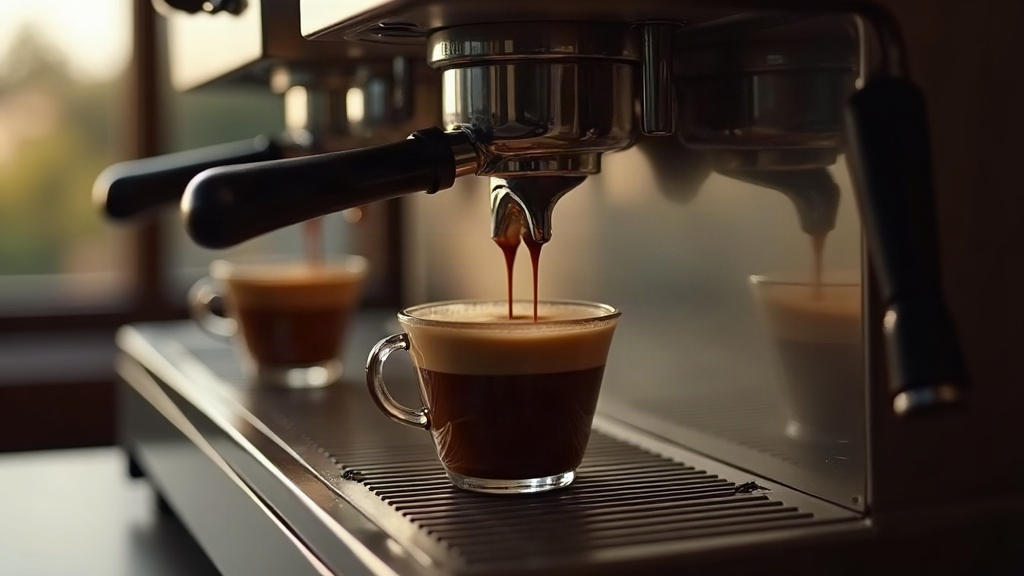
Dialing In Light Roasts: Conquering Underextraction
Light roasts present the greatest challenge for home machines because their high organic acid concentration easily produces sour, grassy, or vegetal flavors if extraction is incomplete.
1. Fine Grind Calibration
Because light roast cellulose is tough, you must grind significantly finer to create more exposed surface area. If your grinder produces a wide particle distribution with boulders and fines, consider utilizing an WDT (Weiss Distribution Technique) needle tool to break up clumps before tamping.
2. Elevated Brew Temperature
Increase your boiler temperature to at least 202°F (94.5°C). Higher thermal energy accelerates the dissolution of stubborn long-chain sucrose and complex lipids.
3. Extended Brew Ratios & Pre-Infusion
Abandon the traditional 1:2 ratio. For an 18-gram dry dose, aim for an output of 42 to 46 grams (a 1:2.4 or 1:2.5 ratio). The extra volume of water acts as an extended solvent, washing away lingering sourness and replacing it with delicate floral sweetness. Utilize a low-pressure 3-bar pre-infusion for 6 to 8 seconds to thoroughly saturate the puck before applying full 9-bar pump pressure.
Dialing In Dark Roasts: Preventing Bitterness and Astringency
With dark roasts, the primary objective is restraint. Overextracting porous, oily dark roast beans releases heavy ash tones, bitter chlorogenic acid degradation products, and dry mouthfeel.
1. Coarser Grind & Lower Temperature
Dark beans grind into brittle fragments with high fines production. Step your grinder coarser to maintain water flow. Drop your brew temperature down to 192°F – 194°F (89°C). Boiling-hot water will scorch delicate surface oils.
2. Compact Ratios (Ristretto Style)
Keep your yield tight. Pull an 18-gram dose to 28 or 32 grams of liquid espresso (1:1.5 to 1:1.75). The richest crema and chocolate-caramel viscosity extract during the first 15 seconds; cutting the shot early eliminates the bitter tail-end tannins.
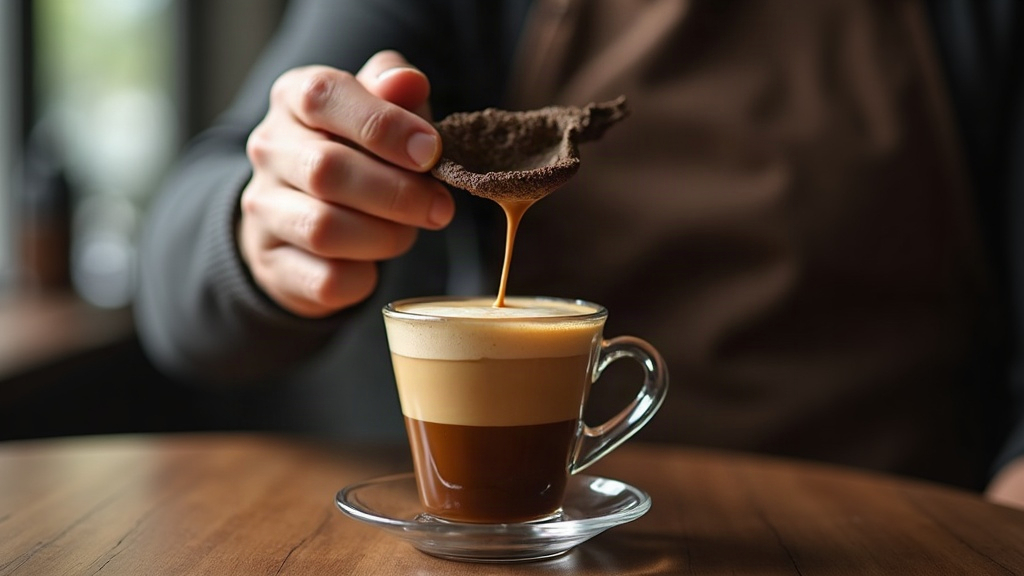
Puck Preparation and Hardware Precision
Regardless of roast level, your puck preparation determines whether water flows evenly through the entire coffee bed or carves destructive bypass channels.
- Precision Basket Fit: Standard factory stamped baskets feature irregular hole spacing and tapered side walls. A precision straight-wall basket ensures uniform hydraulic resistance across the entire bed.
- Calibrated Tamping Pressure: Inconsistent tamping creates low-density pockets. A calibrated spring-loaded tamper applies consistent 25-to-30-lb force with zero leveling cant, eliminating side-wall bypass.
📚 Related In-Depth Analysis
- Compare findings with our guide on Entry Level Espresso Machine With Grinder.
- Master flow profiling in Best Espresso Machine For Beginners.
🔧 Interactive Planning Tool
Need exact measurements for your setup? Use our Portafilter & Tamper Tolerance Engine to calculate exact millimeter tolerances between your basket and tamper diameter.
Frequently Asked Questions
Why does my light roast espresso taste sour even after a 30-second pull?
Sourness indicates incomplete extraction. Increase your brew temperature by 2°F or push your yield ratio from 1:2 out to 1:2.4 (e.g., from 36g up to 44g liquid output).
Should I tamp lighter for dark roasts?
No. Once coffee grounds reach maximum mechanical compression (around 20 lbs of pressure), additional force does not compact the bed further. Control flow through grind size adjustment rather than varying tamping pressure.
How fresh should beans be for espresso?
For light roasts, rest beans for at least 10 to 14 days after roasting to allow trapped carbon dioxide gas to dissipate. Dark roasts degas faster and are ready to brew within 5 to 7 days.